Profit rate theory volatility index quantification strategy
This strategy uses technical indicator rating methods to dynamically select entry and exit timing by comparing with moving averages. The strategy contains both long and short positions, which can be customized to…
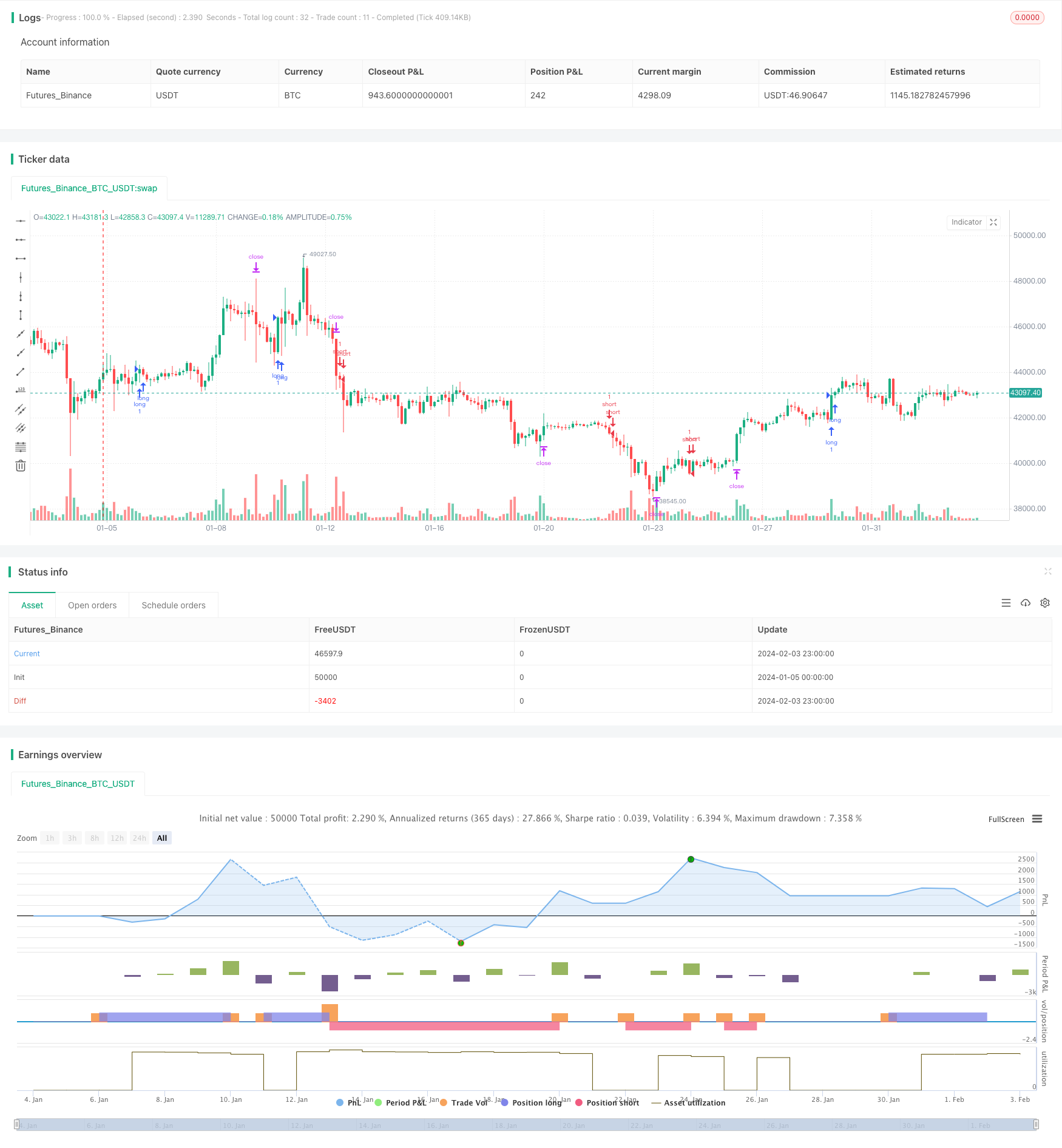
Overview
This strategy uses technical indicator rating methods to dynamically select entry and exit timing by comparing with moving averages. The strategy contains both long and short positions, which can be customized to enable or disable. The strategy is more friendly to low risk long term holding trading.
Strategy principle
This strategy combines multiple technical indicators in real time to evaluate market timing. The main steps are:
- Calculate various moving averages, including SMA, EMA, Hull MA and VWMA. Compare with current price to determine long/short level.
- Calculate a series of oscillators, including RSI, CCI, MACD, Williams %R, Stochastics, etc. Judge the difference between oscillator long/short status, rating long/short level.
- Technical indicator rating method consolidates above two aspects to generate final trading signal. Absolute signal value above 0.5 is strong signal, 0.1-0.5 is weak signal.
- According to final signal, the strategy can go long or go short. Also sets stop loss and take profit exit logic.
The advantage of the strategy is rating methods can more comprehensively determine market timing compared to single indicator, thus more reliability. In addition, custom parameters enable strategy customization.
Advantage analysis
- Combining multiple technical indicators, rating methods are more comprehensive and reliable in judging market timing
- Adopt dynamic stop loss and take profit, helps curb loss risk
- Customizable rating components enables customized operations
- Supports both long and short positions, adapts to more market environments
- Can choose whether to enable certain trading direction, reduces unnecessary trades
Risk analysis
- Rating methods themselves have some subjectivity
- Some oscillators are not accurate at new highs/lows
- Need assess technical indicator weight configuration in rating methods
- Massive indicators increase computation load, may affect efficiency
- Pay attention to long term P&L, prevent over-trading
The main solution is optimizing indicator weights based on historical data backtest. Reducing indicator count can also increase efficiency.
Optimization direction
The strategy can optimize from below aspects:
- Evaluate indicator validity, optimize selection in rating methods
- Adjust weights and signal strength threshold
- Optimize stop loss and take profit parameters for better risk control
- Set optimal parameters for different products
- Increase ML to assist in rating signal judgement
Through parameter optimization, the strategy can better adapt to more products with higher return.
Summary
The strategy combines technical indicator rating methods to determine market timing for long/short. Advantages include customizability, dynamic SL/TP, position direction enable/disable. Risks mainly come from rating subjectivity and invalid indicators. Future optimization space lies in parameter selection and efficiency improvement. Overall the strategy fits investors with high requiremens on market timing judgement.
Parameters
| Name | Default | What it controls |
|---|---|---|
| v_input_1 | true | Long |
| v_input_2 | true | Short |
| v_input_3 | Indicator Timeframe | |
| v_input_4 | 0 | Rating is based on: All | Oscillators | MAs |
| v_input_5 | timestamp(01 Jan 2000 00:00 +0000) | Start Time |
| v_input_6 | timestamp(31 Dec 2099 23:59 +0000) | Final Time |
Source Pine Script
/*backtest
start: 2024-01-05 00:00:00
end: 2024-02-04 00:00:00
period: 3h
basePeriod: 15m
exchanges: [{"eid":"Futures_Binance","currency":"BTC_USDT"}]
*/

//@version=4
strategy(title="Ratings", shorttitle="Ratings", default_qty_type = strategy.percent_of_equity, default_qty_value = 100, commission_value = 0.1, overlay=true)

//Settings
useLong = input(true, title = "Long")
useShort = input(true, title = "Short")
res = input("", title="Indicator Timeframe", type=input.resolution)
ratingSignal = input(defval = "All", title = "Rating is based on", options = ["MAs", "Oscillators", "All"])
startTime = input(defval = timestamp("01 Jan 2000 00:00 +0000"), title = "Start Time", type = input.time, inline = "time1")
finalTime = input(defval = timestamp("31 Dec 2099 23:59 +0000"), title = "Final Time", type = input.time, inline = "time1")
trueTime = true

// Awesome Oscillator
AO() =>
    sma(hl2, 5) - sma(hl2, 34)
// Stochastic RSI
StochRSI() =>
    rsi1 = rsi(close, 14)
    K = sma(stoch(rsi1, rsi1, rsi1, 14), 3)
    D = sma(K, 3)
    [K, D]
// Ultimate Oscillator
tl() => close[1] < low ? close[1]: low
uo(ShortLen, MiddlLen, LongLen) =>
    Value1 = sum(tr, ShortLen)
    Value2 = sum(tr, MiddlLen)
    Value3 = sum(tr, LongLen)
    Value4 = sum(close - tl(), ShortLen)
    Value5 = sum(close - tl(), MiddlLen)
    Value6 = sum(close - tl(), LongLen)
    float UO = na
    if Value1 != 0 and Value2 != 0 and Value3 != 0
        var0 = LongLen / ShortLen
        var1 = LongLen / MiddlLen
        Value7 = (Value4 / Value1) * (var0)
        Value8 = (Value5 / Value2) * (var1)
        Value9 = (Value6 / Value3)
        UO := (Value7 + Value8 + Value9) / (var0 + var1 + 1)
    UO
// Ichimoku Cloud
donchian(len) => avg(lowest(len), highest(len))
ichimoku_cloud() =>
    conversionLine = donchian(9)
    baseLine = donchian(26)
    leadLine1 = avg(conversionLine, baseLine)
    leadLine2 = donchian(52)
    [conversionLine, baseLine, leadLine1, leadLine2]

calcRatingMA(ma, src) => na(ma) or na(src) ? na : (ma == src ? 0 : ( ma < src ? 1 : -1 ))
calcRating(buy, sell) => buy ? 1 : ( sell ? -1 : 0 )
calcRatingAll() =>
    //============== MA =================
    SMA10 = sma(close, 10)
    SMA20 = sma(close, 20)
    SMA30 = sma(close, 30)
    SMA50 = sma(close, 50)
    SMA100 = sma(close, 100)
    SMA200 = sma(close, 200)

    EMA10 = ema(close, 10)
    EMA20 = ema(close, 20)
    EMA30 = ema(close, 30)
    EMA50 = ema(close, 50)
    EMA100 = ema(close, 100)
    EMA200 = ema(close, 200)

    HullMA9 = hma(close, 9)

    // Volume Weighted Moving Average (VWMA)
    VWMA = vwma(close, 20)

    [IC_CLine, IC_BLine, IC_Lead1, IC_Lead2] = ichimoku_cloud()

    // ======= Other =============
    // Relative Strength Index, RSI
    RSI = rsi(close,14)

    // Stochastic
    lengthStoch = 14
    smoothKStoch = 3
    smoothDStoch = 3
    kStoch = sma(stoch(close, high, low, lengthStoch), smoothKStoch)
    dStoch = sma(kStoch, smoothDStoch)

    // Commodity Channel Index, CCI
    CCI = cci(close, 20)

    // Average Directional Index
    float adxValue = na, float adxPlus = na, float adxMinus = na
    [P, M, V] = dmi(14, 14)
    adxValue := V
    adxPlus := P
    adxMinus := M
    // Awesome Oscillator
    ao = AO()

    // Momentum
    Mom = mom(close, 10)
    // Moving Average Convergence/Divergence, MACD
    [macdMACD, signalMACD, _] = macd(close, 12, 26, 9)
    // Stochastic RSI
    [Stoch_RSI_K, Stoch_RSI_D] = StochRSI()
    // Williams Percent Range
    WR = wpr(14)

    // Bull / Bear Power
    BullPower = high - ema(close, 13)
    BearPower = low - ema(close, 13)
    // Ultimate Oscillator
    UO = uo(7,14,28)
    if not na(UO)
        UO := UO * 100
    ////////////////////////////////////////////////////////////////////////////////////////////////////////////////////////

    PriceAvg = ema(close, 50)
    DownTrend = close < PriceAvg
    UpTrend = close > PriceAvg
    // calculate trading recommendation based on SMA/EMA
    float ratingMA = 0
    float ratingMAC = 0

    if not na(SMA10)
        ratingMA := ratingMA + calcRatingMA(SMA10, close)
        ratingMAC := ratingMAC + 1
    if not na(SMA20)
        ratingMA := ratingMA + calcRatingMA(SMA20, close)
        ratingMAC := ratingMAC + 1
    if not na(SMA30)
        ratingMA := ratingMA + calcRatingMA(SMA30, close)
        ratingMAC := ratingMAC + 1
    if not na(SMA50)
        ratingMA := ratingMA + calcRatingMA(SMA50, close)
        ratingMAC := ratingMAC + 1
    if not na(SMA100)
        ratingMA := ratingMA + calcRatingMA(SMA100, close)
        ratingMAC := ratingMAC + 1
    if not na(SMA200)
        ratingMA := ratingMA + calcRatingMA(SMA200, close)
        ratingMAC := ratingMAC + 1
    if not na(EMA10)
        ratingMA := ratingMA + calcRatingMA(EMA10, close)
        ratingMAC := ratingMAC + 1
    if not na(EMA20)
        ratingMA := ratingMA + calcRatingMA(EMA20, close)
        ratingMAC := ratingMAC + 1
    if not na(EMA30)
        ratingMA := ratingMA + calcRatingMA(EMA30, close)
        ratingMAC := ratingMAC + 1
    if not na(EMA50)
        ratingMA := ratingMA + calcRatingMA(EMA50, close)
        ratingMAC := ratingMAC + 1
    if not na(EMA100)
        ratingMA := ratingMA + calcRatingMA(EMA100, close)
        ratingMAC := ratingMAC + 1
    if not na(EMA200)
        ratingMA := ratingMA + calcRatingMA(EMA200, close)
        ratingMAC := ratingMAC + 1

    if not na(HullMA9)
        ratingHullMA9 = calcRatingMA(HullMA9, close)
        ratingMA := ratingMA + ratingHullMA9
        ratingMAC := ratingMAC + 1

    if not na(VWMA)
        ratingVWMA = calcRatingMA(VWMA, close)
        ratingMA := ratingMA + ratingVWMA
        ratingMAC := ratingMAC + 1

    float ratingIC = na
    if not (na(IC_Lead1) or na(IC_Lead2) or na(close) or na(close[1]) or na(IC_BLine) or na(IC_CLine))
        ratingIC := calcRating(
         IC_Lead1 > IC_Lead2 and close > IC_Lead1 and close < IC_BLine and close[1] < IC_CLine and close > IC_CLine,
         IC_Lead2 > IC_Lead1 and close < IC_Lead2 and close > IC_BLine and close[1] > IC_CLine and close < IC_CLine)
    if not na(ratingIC)
        ratingMA := ratingMA + ratingIC
        ratingMAC := ratingMAC + 1

    ratingMA := ratingMAC > 0 ? ratingMA / ratingMAC : na

    float ratingOther = 0
    float ratingOtherC = 0

    ratingRSI = RSI
    if not(na(ratingRSI) or na(ratingRSI[1]))
        ratingOtherC := ratingOtherC + 1
        ratingOther := ratingOther + calcRating(ratingRSI < 30 and ratingRSI[1] < ratingRSI, ratingRSI > 70 and ratingRSI[1] > ratingRSI)

    if not(na(kStoch) or na(dStoch) or na(kStoch[1]) or na(dStoch[1]))
        ratingOtherC := ratingOtherC + 1
        ratingOther := ratingOther + calcRating(kStoch < 20 and dStoch < 20 and kStoch > dStoch and kStoch[1] < dStoch[1], kStoch > 80 and dStoch > 80 and kStoch < dStoch and kStoch[1] > dStoch[1])

    ratingCCI = CCI
    if not(na(ratingCCI) or na(ratingCCI[1]))
        ratingOtherC := ratingOtherC + 1
        ratingOther := ratingOther + calcRating(ratingCCI < -100 and ratingCCI > ratingCCI[1], ratingCCI > 100 and ratingCCI < ratingCCI[1])

    if not(na(adxValue) or na(adxPlus[1]) or na(adxMinus[1]) or na(adxPlus) or na(adxMinus))
        ratingOtherC := ratingOtherC + 1
        ratingOther := ratingOther + calcRating(adxValue > 20 and adxPlus[1] < adxMinus[1] and adxPlus > adxMinus, adxValue > 20 and adxPlus[1] > adxMinus[1] and adxPlus < adxMinus)

    if not(na(ao) or na(ao[1]))
        ratingOtherC := ratingOtherC + 1
        ratingOther := ratingOther + calcRating(crossover(ao,0) or (ao > 0 and ao[1] > 0 and ao > ao[1] and ao[2] > ao[1]), crossunder(ao,0) or (ao < 0 and ao[1] < 0 and ao < ao[1] and ao[2] < ao[1]))

    if not(na(Mom) or na(Mom[1]))
        ratingOtherC := ratingOtherC + 1
        ratingOther := ratingOther + calcRating(Mom > Mom[1], Mom < Mom[1])

    if not(na(macdMACD) or na(signalMACD))
        ratingOtherC := ratingOtherC + 1
        ratingOther := ratingOther + calcRating(macdMACD > signalMACD, macdMACD < signalMACD)

    float ratingStoch_RSI = na
    if not(na(DownTrend) or na(UpTrend) or na(Stoch_RSI_K) or na(Stoch_RSI_D) or na(Stoch_RSI_K[1]) or na(Stoch_RSI_D[1]))
        ratingStoch_RSI := calcRating(
         DownTrend and Stoch_RSI_K < 20 and Stoch_RSI_D < 20 and Stoch_RSI_K > Stoch_RSI_D and Stoch_RSI_K[1] < Stoch_RSI_D[1],
         UpTrend and Stoch_RSI_K > 80 and Stoch_RSI_D > 80 and Stoch_RSI_K < Stoch_RSI_D and Stoch_RSI_K[1] > Stoch_RSI_D[1])
    if not na(ratingStoch_RSI)
        ratingOtherC := ratingOtherC + 1
        ratingOther := ratingOther + ratingStoch_RSI

    float ratingWR = na
    if not(na(WR) or na(WR[1]))
        ratingWR := calcRating(WR < -80 and WR > WR[1], WR > -20 and WR < WR[1])
    if not na(ratingWR)
        ratingOtherC := ratingOtherC + 1
        ratingOther := ratingOther + ratingWR

    float ratingBBPower = na
    if not(na(UpTrend) or na(DownTrend) or na(BearPower) or na(BearPower[1]) or na(BullPower) or na(BullPower[1]))
        ratingBBPower := calcRating(
         UpTrend and BearPower < 0 and BearPower > BearPower[1],
         DownTrend and BullPower > 0 and BullPower < BullPower[1])
    if not na(ratingBBPower)
        ratingOtherC := ratingOtherC + 1
        ratingOther := ratingOther + ratingBBPower

    float ratingUO = na
    if not(na(UO))
        ratingUO := calcRating(UO > 70, UO < 30)
    if not na(ratingUO)
        ratingOtherC := ratingOtherC + 1
        ratingOther := ratingOther + ratingUO

    ratingOther := ratingOtherC > 0 ? ratingOther / ratingOtherC : na

    float ratingTotal = 0
    float ratingTotalC = 0
    if not na(ratingMA)
        ratingTotal := ratingTotal + ratingMA
        ratingTotalC := ratingTotalC + 1
    if not na(ratingOther)
        ratingTotal := ratingTotal + ratingOther
        ratingTotalC := ratingTotalC + 1
    ratingTotal := ratingTotalC > 0 ? ratingTotal / ratingTotalC : na

    [ratingTotal, ratingOther, ratingMA, ratingOtherC, ratingMAC]
[ratingTotal, ratingOther, ratingMA, ratingOtherC, ratingMAC]  = security(syminfo.tickerid, res, calcRatingAll())
StrongBound = 0.5
WeakBound = 0.1
getSignal(ratingTotal, ratingOther, ratingMA) =>
    float _res = ratingTotal
    if ratingSignal == "MAs"
        _res := ratingMA
    if ratingSignal == "Oscillators"
        _res := ratingOther
    _res
tradeSignal = getSignal(ratingTotal, ratingOther, ratingMA)

dynSLpoints(factor) => factor * atr(14) / syminfo.mintick

//Trading
lotLong = useLong and trueTime ? na : 0
lotShort = useShort and trueTime ? na : 0
strategy.entry("long", strategy.long, lotLong, when = tradeSignal > StrongBound)
strategy.entry("short", strategy.short, lotShort, when = tradeSignal < -StrongBound)
strategy.exit("sl/tp", loss = dynSLpoints(3), trail_points = dynSLpoints(5), trail_offset = dynSLpoints(2))

//Cancel all
if time > finalTime
    strategy.close_all()
    strategy.cancel("long")
strategy.cancel("short")Published by ChaoZhang on the FMZ strategy square · last modified 2024-02-05. Collected in the Quant Trading Vault. Unvalidated research: re-test with your own data and costs before trusting it.
Build this with AgenKit
A spec is not a trading system. Paste this into your coding agent and AgenKit runs a specialist team — architecture, test-first build, risk gates, review — with paper trading on by default.
/agenkit build a production-grade trading bot with a backtest engine, risk controls and paper trading by default from strategies/Profit-rate-theory-volatility-index-quantification-strategy.md- npx agenkit install engineering-kit in your project
- Paste the command into your agent and approve each phase
- Get tests, backtest, risk controls and a paper-trading switch
Understand it first
Before you run this, read the lesson behind the idea and how to backtest it honestly. Specs like this one are the survivors of an unknown number of trials; deflate their results accordingly.
Related specs
- Multi Indicator Dynamic Position Size Volatility Adaptive Quantitative Trading StrategyPine Script · Volatility · 1d
- Triple Moving Average Combined with MACD Quantitative StrategyPine Script · Machine learning · 1d
- MACD Bollinger Turtle Trading StrategyPine Script · Breakout · 1d
- Multi Indicator Comprehensive Analysis Quantitative Trading Strategy Trend Momentum and Volatility Collaborative Prediction ModelPine Script · Momentum · 3m
- Multi indicator Combination StrategyPine Script · Machine learning · 1d
- Multi Indicator Scoring Trading StrategyPine Script · Mean reversion · 1d