Momentum Breakout Identifies Strategy
This strategy identifies rapidly rising stocks and takes long positions when price breaks out new highs. It uses fixed percentage take profit to lock in profits. The strategy belongs to trend following strategies.
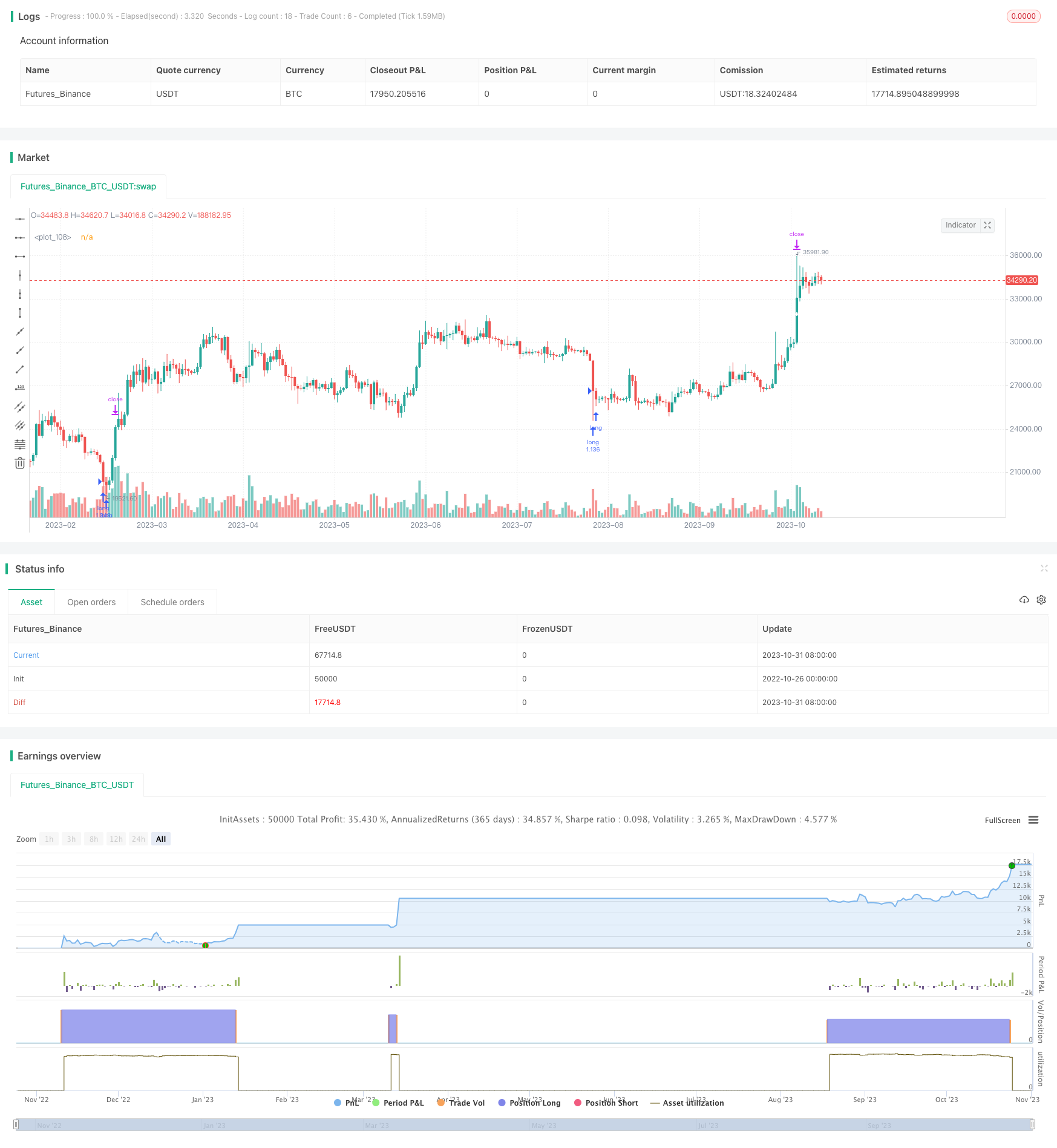
Overview
This strategy identifies rapidly rising stocks and takes long positions when price breaks out new highs. It uses fixed percentage take profit to lock in profits. The strategy belongs to trend following strategies.
Principle
The strategy is mainly based on two indicators:
Fast RSI: It calculates the rise and fall of recent 3 bars to judge price momentum. When fast RSI is below 10, it is considered oversold status.
Body filter: It calculates the average body size of recent 20 bars. When the body size is larger than 2.5 times of average body, it is considered a valid breakout.
When fast RSI is below 10 and body filter is valid, a long position will be opened. After that, a fixed take profit of 20% is set. When price exceeds the open price * (1 + take profit percentage), the position will be closed.
The advantage of this strategy is it can capture the breakout opportunities at the beginning of trends. The fast RSI judges oversold levels and body filter avoids false breakouts. The fixed percentage take profit locks in profits of each trade and keeps catching the trend.
Advantage Analysis
The advantages of this strategy:
Fast RSI identifies oversold levels and increases entry accuracy.
Body filter avoids false breakouts caused by fluctuations.
Fixed percentage take profit realizes stable profits and catches trends.
The logic is simple and clear, easy to understand and implement.
Elegant code structure with great extensibility, easy to optimize.
Stable positive returns and high win rate in backtest.
Risk Analysis
Some risks to note:
No stop loss mechanism, risks of expanding losses.
Improper take profit levels may lead to premature or too deep exit.
Consecutive small losses may occur in choppy markets.
Financing costs are not considered, actual returns may be lower.
Insufficient parameter optimization across different products.
Optimization Directions
Some aspects can be optimized:
Add stop loss to control single trade loss.
Optimize dynamic take profit to follow trends.
Enhance breakout logic to improve entry accuracy.
Add position sizing module to optimize capital usage.
Add parameter optimization module for different products.
Add filters to avoid losses in choppy markets.
Consider adding average cost management.
Conclusion
In summary, this is an elegant and simple trend following strategy. It uses fast RSI to identify oversold levels, body filter to confirm valid breakout, and fixed percentage take profit to generate steady returns. Although there are rooms for optimization, the strategy is responsive and suitable for fast changing markets, making it a very practical trading strategy. With continuous optimizations, it can become a robust long term strategy.
Parameters
| Name | Default | What it controls |
|---|---|---|
| v_input_1 | 20 | TAKE PROFIT % |
| v_input_2 | 2019 | BACKTEST START YEAR |
| v_input_3 | true | BACKTEST START MONTH |
| v_input_4 | true | BACKTEST START DAY |
Source Pine Script
/*backtest
start: 2022-10-26 00:00:00
end: 2023-11-01 00:00:00
period: 1d
basePeriod: 1h
exchanges: [{"eid":"Futures_Binance","currency":"BTC_USDT"}]
*/

//@version=4
// this is based on https://www.tradingview.com/v/PbQW4mRn/
strategy(title = "ONLY LONG V4 v1", overlay = true, initial_capital = 1000, pyramiding = 1000,
   calc_on_order_fills = false, calc_on_every_tick = false, default_qty_type = strategy.percent_of_equity, default_qty_value = 50, commission_value = 0.075)

//study(title = "ONLY LONG V4 v1", overlay = true)

//Fast RSI
src = close
fastup = rma(max(change(src), 0), 3)
fastdown = rma(-min(change(src), 0), 3)
fastrsi = fastdown == 0 ? 100 : fastup == 0 ? 0 : 100 - (100 / (1 + fastup / fastdown))

//Body Filter
body = abs(close - open)
abody = sma(body, 20)

mac = sma(close, 20)
len = abs(close - mac)
sma = sma(len, 100)
max = max(open, close)
min = min(open, close)
up = close < open and len > sma * 2 and min < min[1] and fastrsi < 10 and body > abody * 2.5

// Strategy
// ░░░░░░░░░░░░░░░░░░░░░░░░░░░░░░░░░░░░░░░░░░░░░░░░░░░░░░░░░░░░░░░░░░░░░░░░░░░░░░░░░░░░░░░░░░░░░░░░░░░░░░░░░░░░░░░░░░░░░░░░░░░░░░░░░░░░░░░░░░░░░░░░░░

var bool longCondition = na

longCondition := up == 1 ? 1 : na

// Get the price of the last opened long

var float last_open_longCondition = na

last_open_longCondition := longCondition ? close : nz(last_open_longCondition[1])

// Get the bar time of the last opened long

var int last_longCondition = 0

last_longCondition := longCondition ? time : nz(last_longCondition[1])

// Take profit
// ░░░░░░░░░░░░░░░░░░░░░░░░░░░░░░░░░░░░░░░░░░░░░░░░░░░░░░░░░░░░░░░░░░░░░░░░░░░░░░░░░░░░░░░░░░░░░░░░░░░░░░░░░░░░░░░░░░░░░░░░░░░░░░░░░░░░░░░░░░░░░░░░░░

tp = input(20, "TAKE PROFIT %", type = input.float, minval = 0, step = 0.5)

long_tp = crossover(high, (1+(tp/100))*last_open_longCondition) and not longCondition

// Get the time of the last tp close

var int last_long_tp = na

last_long_tp := long_tp ? time : nz(last_long_tp[1])

Final_Long_tp = long_tp and last_longCondition > nz(last_long_tp[1])

// Count your long conditions

var int sectionLongs = 0

sectionLongs := nz(sectionLongs[1])

var int sectionTPs = 0

sectionTPs := nz(sectionTPs[1])

// Longs Counter

if longCondition
    sectionLongs := sectionLongs + 1
    sectionTPs := 0

if Final_Long_tp
    sectionLongs := 0
    sectionTPs := sectionTPs + 1

// Signals
// ░░░░░░░░░░░░░░░░░░░░░░░░░░░░░░░░░░░░░░░░░░░░░░░░░░░░░░░░░░░░░░░░░░░░░░░░░░░░░░░░░░░░░░░░░░░░░░░░░░░░░░░░░░░░░░░░░░░░░░░░░░░░░░░░░░░░░░░░░░░░░░░░░░

// Long

// label.new(
//    x = longCondition[1] ? time : na,
//    y = na,
//    text = 'LONG'+tostring(sectionLongs),
//    color=color.lime,
//    textcolor=color.black,
//    style = label.style_labelup,
//    xloc = xloc.bar_time,
//    yloc = yloc.belowbar,
//    size = size.tiny)

// Tp

// label.new(
//    x = Final_Long_tp ? time : na,
//    y = na,
//    text = 'PROFIT '+tostring(tp)+'%',
//    color=color.orange,
//    textcolor=color.black,
//    style = label.style_labeldown,
//    xloc = xloc.bar_time,
//    yloc = yloc.abovebar,
//    size = size.tiny)

ltp = iff(Final_Long_tp, (last_open_longCondition*(1+(tp/100))), na), plot(ltp, style=plot.style_cross, linewidth=3, color = color.white, editable = false)

// Backtesting
// ░░░░░░░░░░░░░░░░░░░░░░░░░░░░░░░░░░░░░░░░░░░░░░░░░░░░░░░░░░░░░░░░░░░░░░░░░░░░░░░░░░░░░░░░░░░░░░░░░░░░░░░░░░░░░░░░░░░░░░░░░░░░░░░░░░░░░░░░░░░░░░░░░░

testStartYear = input(2019, "BACKTEST START YEAR", minval = 1, maxval = 2222)
testStartMonth = input(01, "BACKTEST START MONTH", minval = 1, maxval = 12)
testStartDay = input(01, "BACKTEST START DAY", minval = 1, maxval = 31)
testPeriodStart = timestamp(testStartYear,testStartMonth,testStartDay,0,0)

strategy.entry("long", strategy.long, when = longCondition and (time >= testPeriodStart))
strategy.exit("TP", "long", limit = (last_open_longCondition*(1+(tp/100))))

// Alerts
// ░░░░░░░░░░░░░░░░░░░░░░░░░░░░░░░░░░░░░░░░░░░░░░░░░░░░░░░░░░░░░░░░░░░░░░░░░░░░░░░░░░░░░░░░░░░░░░░░░░░░░░░░░░░░░░░░░░░░░░░░░░░░░░░░░░░░░░░░░░░░░░░░░░

alertcondition(longCondition[1], title="Long Alert", message = "LONG")
alertcondition(Final_Long_tp, title="Long TP Alert", message = "LONG TP")
Published by ChaoZhang on the FMZ strategy square · last modified 2023-11-02. Collected in the Quant Trading Vault. Unvalidated research: re-test with your own data and costs before trusting it.
Build this with AgenKit
A spec is not a trading system. Paste this into your coding agent and AgenKit runs a specialist team — architecture, test-first build, risk gates, review — with paper trading on by default.
/agenkit build a production-grade trading bot with a backtest engine, risk controls and paper trading by default from strategies/Momentum-Breakout-Identifies-Strategy.md- npx agenkit install engineering-kit in your project
- Paste the command into your agent and approve each phase
- Get tests, backtest, risk controls and a paper-trading switch
Understand it first
Before you run this, read the lesson behind the idea and how to backtest it honestly. Specs like this one are the survivors of an unknown number of trials; deflate their results accordingly.
Related specs
- Bollinger Band Channel Breakout Trading StrategyPine Script · Breakout · 1d
- Bollinger Bands Dynamic Breakout StrategyPine Script · Breakout · 1h
- Bull Market Tracking SystemPine Script · Breakout · 1h
- Cross boundary Dynamic Range Quantitative Trading Strategy Based on Bollinger BandsPine Script · Breakout · 3h
- Dual MA Momentum Breakout StrategyPine Script · Breakout · 1h
- Dynamic Stop Loss Strategy Adaptive to ATR FluctuationsPine Script · Breakout · 1h