Strategy vault / Machine learning
Timeframe Power Trading Strategy
The Timeframe Power Trading Strategy is a strategy that utilizes the price trend patterns of stocks during different timeframes within a day. It seeks to identify the optimal long or short opportunities across 48…
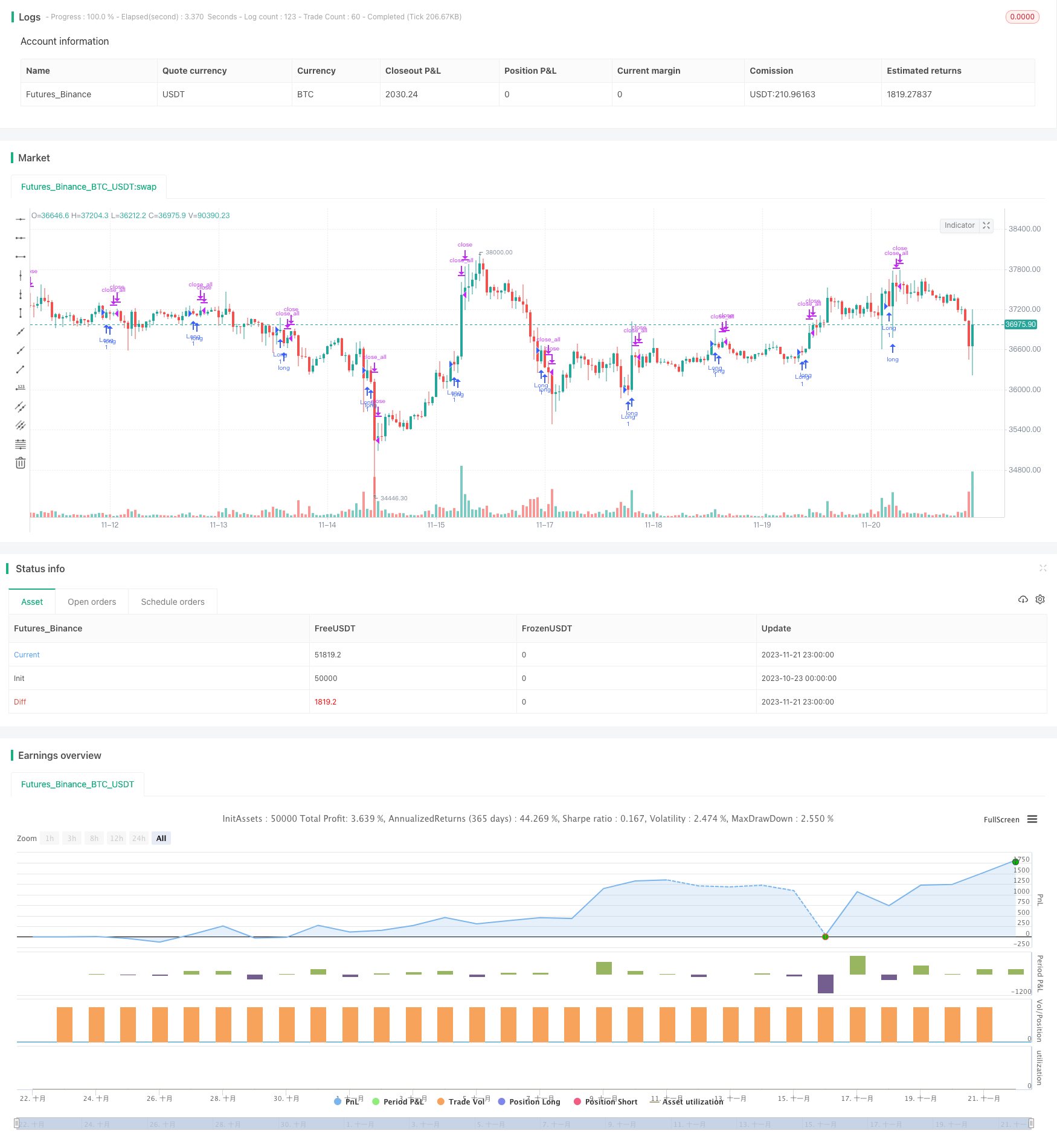
Overview
The Timeframe Power Trading Strategy is a strategy that utilizes the price trend patterns of stocks during different timeframes within a day. It seeks to identify the optimal long or short opportunities across 48 half-hourly timeframes in a day.
Strategy Logic
The core logic of this strategy is that stock prices tend to exhibit certain patterns during different periods in a day. The strategy sets up 48 half-hourly timeframes throughout the day and determines whether to go long, go short or do nothing during each timeframe. When time enters a certain timeframe, if the setting is "long", it will open a long position. If the setting is "short", it will open a short position. At the end of each timeframe, it checks the operation type of the next timeframe. If it's the same as the current one, it will continue holding the position. If different, it will close out positions before the timeframe ends.
For example, if the timeframe 6:30am - 7:00am is set to "long", the strategy will open a long position at 6:30am. If 7:00am - 7:30am is set to "short", it will close long positions before 7am and open short positions at 7am.
The advantage of this strategy lies in its ability to capitalize on intraday price swings of stocks. The risk is that such patterns may change over time and render the strategy ineffective.
Advantage Analysis
The biggest edge of this strategy is that it utilizes the "Prices is Right" attribute of stocks - prices tend to have different mean and variance during different periods of the day. This allows the strategy to adopt range trading tactics during volatile periods and trend trading tactics during stable periods to adapt to varying market conditions.
Another advantage is the flexibility of parameter configuration. Optimal parameter sets could be used for different stocks to offset uncertainties.
Risk Analysis
The main risk comes from instability of assumptions - if the intraday price pattern changes substantially for a stock, the profitability expectations of the strategy will be affected. Such changes could come from fundmental shifts or black swan events affecting the overall market.
Also, high trading frequency poses risks in terms of transaction costs. Without sufficient trading volume, accumulation of fees could erode end returns.
Optimization Guidelines
Consider introducing machine learning models to enable dynamic adjustment of parameters - e.g. LSTM models to forecast next-period prices and fine-tune long/short settings accordingly.
Alternatively, combine stock fundamentals to gauge likelihood of pattern shift, to determine optimal timing for strategy activation.
Conclusion
The Timeframe Power Trading Strategy generates alpha by identifying optimal intraday operations during different periods when analyzing recurring price patterns. With flexible parameter adjustment and risk controls, it is an efficient algo trading strategy. Future optimization paths involve ML adoption or fundmental combos to expand profitability and enhance robustness against uncertainties.
|| Timeframe Power Trading Strategy
Overview
The Timeframe Power Trading Strategy is a strategy that utilizes the price trend patterns of stocks during different timeframes within a day. It seeks to identify the optimal long or short opportunities across 48 half-hourly timeframes in a day.
Strategy Logic
The core logic of this strategy is that stock prices tend to exhibit certain patterns during different periods in a day. The strategy sets up 48 half-hourly timeframes throughout the day and determines whether to go long, go short or do nothing during each timeframe. When time enters a certain timeframe, if the setting is "long", it will open a long position. If the setting is "short", it will open a short position. At the end of each timeframe, it checks the operation type of the next timeframe. If it's the same as the current one, it will continue holding the position. If different, it will close out positions before the timeframe ends.
For example, if the timeframe 6:30am - 7:00am is set to "long", the strategy will open a long position at 6:30am. If 7:00am - 7:30am is set to "short", it will close long positions before 7am and open short positions at 7am.
The advantage of this strategy lies in its ability to capitalize on intraday price swings of stocks. The risk is that such patterns may change over time and render the strategy ineffective.
Advantage Analysis
The biggest edge of this strategy is that it utilizes the "Prices is Right" attribute of stocks - prices tend to have different mean and variance during different periods of the day. This allows the strategy to adopt range trading tactics during volatile periods and trend trading tactics during stable periods to adapt to varying market conditions.
Another advantage is the flexibility of parameter configuration. Optimal parameter sets could be used for different stocks to offset uncertainties.
Risk Analysis
The main risk comes from instability of assumptions - if the intraday price pattern changes substantially for a stock, the profitability expectations of the strategy will be affected. Such changes could come from fundmental shifts or black swan events affecting the overall market.
Also, high trading frequency poses risks in terms of transaction costs. Without sufficient trading volume, accumulation of fees could erode end returns.
Optimization Guidelines
Consider introducing machine learning models to enable dynamic adjustment of parameters - e.g. LSTM models to forecast next-period prices and fine-tune long/short settings accordingly.
Alternatively, combine stock fundamentals to gauge likelihood of pattern shift, to determine optimal timing for strategy activation.
Conclusion
The Timeframe Power Trading Strategy generates alpha by identifying optimal intraday operations during different periods when analyzing recurring price patterns. With flexible parameter adjustment and risk controls, it is an efficient algo trading strategy. Future optimization paths involve ML adoption or fundmental combos to expand profitability and enhance robustness against uncertainties.
Parameters
| Name | Default | What it controls |
|---|---|---|
| v_input_1 | 6 | From Month |
| v_input_2 | 14 | From day |
| v_input_3 | 2021 | From Year |
| v_input_4 | 12 | To Month |
| v_input_5 | 31 | To day |
| v_input_6 | 2100 | To Year |
| v_input_7 | 0 | 0000-0030: None | Short | Long |
| v_input_8 | 0 | 0030-0100: Long | Short | None |
| v_input_9 | 0 | 0100-0130: Long | Short | None |
| v_input_10 | 0 | 0130-0200: Long | Short | None |
| v_input_11 | 0 | 0200-0230: Long | Short | None |
| v_input_12 | 0 | 0230-0300: None | Short | Long |
| v_input_13 | 0 | 0300-0330: None | Short | Long |
| v_input_14 | 0 | 0330-0400: None | Short | Long |
| v_input_15 | 0 | 0400-0430: None | Short | Long |
| v_input_16 | 0 | 0430-0500: None | Short | Long |
| v_input_17 | 0 | 0500-0530: None | Short | Long |
| v_input_18 | 0 | 0530-0600: None | Short | Long |
| v_input_19 | 0 | 0600-0630: None | Short | Long |
| v_input_20 | 0 | 0630-0700: None | Short | Long |
| v_input_21 | 0 | 0700-0730: None | Short | Long |
| v_input_22 | 0 | 0730-0800: None | Short | Long |
| v_input_23 | 0 | 0800-0830: None | Short | Long |
| v_input_24 | 0 | 0830-0900: None | Short | Long |
| v_input_25 | 0 | 0900-0930: None | Short | Long |
| v_input_26 | 0 | 0930-1000: None | Short | Long |
| v_input_27 | 0 | 1000-1030: None | Short | Long |
| v_input_28 | 0 | 1030-1100: None | Short | Long |
| v_input_29 | 0 | 1100-1130: None | Short | Long |
| v_input_30 | 0 | 1130-1200: None | Short | Long |
| v_input_31 | 0 | 1200-1230: None | Short | Long |
| v_input_32 | 0 | 1230-1300: None | Short | Long |
| v_input_33 | 0 | 1300-1330: None | Short | Long |
| v_input_34 | 0 | 1330-1400: None | Short | Long |
| v_input_35 | 0 | 1400-1430: None | Short | Long |
| v_input_36 | 0 | 1430-1500: None | Short | Long |
| v_input_37 | 0 | 1500-1530: None | Short | Long |
| v_input_38 | 0 | 1530-1600: None | Short | Long |
| v_input_39 | 0 | 1600-1630: None | Short | Long |
| v_input_40 | 0 | 1630-1700: None | Short | Long |
| v_input_41 | 0 | 1700-1730: None | Short | Long |
| v_input_42 | 0 | 1730-1800: None | Short | Long |
| v_input_43 | 0 | 1800-1830: None | Short | Long |
| v_input_44 | 0 | 1830-1900: None | Short | Long |
| v_input_45 | 0 | 1900-0930: None | Short | Long |
| v_input_46 | 0 | 1930-2000: None | Short | Long |
| v_input_47 | 0 | 2000-2030: None | Short | Long |
| v_input_48 | 0 | 2030-2100: None | Short | Long |
| v_input_49 | 0 | 2100-2130: None | Short | Long |
| v_input_50 | 0 | 2130-2200: None | Short | Long |
| v_input_51 | 0 | 2200-2230: None | Short | Long |
| v_input_52 | 0 | 2230-2300: None | Short | Long |
| v_input_53 | 0 | 2300-2330: None | Short | Long |
| v_input_54 | 0 | 2330-0000: None | Short | Long |
Source Pine Script
/*backtest
start: 2023-10-23 00:00:00
end: 2023-11-22 00:00:00
period: 1h
basePeriod: 15m
exchanges: [{"eid":"Futures_Binance","currency":"BTC_USDT"}]
*/

// This source code is subject to the terms of the Mozilla Public License 2.0 at https://mozilla.org/MPL/2.0/

//@version=4
strategy("Timeframe Time of Day Buying and Selling Strategy", overlay=true)

frommonth = input(defval = 6, minval = 01, maxval = 12, title = "From Month")
fromday = input(defval = 14, minval = 01, maxval = 31, title = "From day")
fromyear = input(defval = 2021, minval = 1900, maxval = 2100, title = "From Year")

tomonth = input(defval = 12, minval = 01, maxval = 12, title = "To Month")
today = input(defval = 31, minval = 01, maxval = 31, title = "To day")
toyear = input(defval = 2100, minval = 1900, maxval = 2100, title = "To Year")

timeframes = array.new_string(48, '')
timeframes_options = array.new_string(49, 'None')

array.set(timeframes,0,'2330-0000')
array.set(timeframes_options,0, input(defval='None', options=['Long','Short','None'], title='0000-0030'))
array.set(timeframes,1,'0000-0030')
array.set(timeframes_options,1, input(defval='Long', options=['Long','Short','None'], title='0030-0100'))
array.set(timeframes,2,'0030-0100')
array.set(timeframes_options,2, input(defval='Long', options=['Long','Short','None'], title='0100-0130'))
array.set(timeframes,3,'0100-0130')
array.set(timeframes_options,3, input(defval='Long', options=['Long','Short','None'], title='0130-0200'))
array.set(timeframes,4,'0130-0200')
array.set(timeframes_options,4, input(defval='Long', options=['Long','Short','None'], title='0200-0230'))
array.set(timeframes,5,'0200-0230')
array.set(timeframes_options,5, input(defval='None', options=['Long','Short','None'], title='0230-0300'))
array.set(timeframes,6,'0230-0300')
array.set(timeframes_options,6, input(defval='None', options=['Long','Short','None'], title='0300-0330'))
array.set(timeframes,7,'0300-0330')
array.set(timeframes_options,7, input(defval='None', options=['Long','Short','None'], title='0330-0400'))
array.set(timeframes,8,'0330-0400')
array.set(timeframes_options,8, input(defval='None', options=['Long','Short','None'], title='0400-0430'))
array.set(timeframes,9,'0400-0430')
array.set(timeframes_options,9, input(defval='None', options=['Long','Short','None'], title='0430-0500'))
array.set(timeframes,10,'0430-0500')
array.set(timeframes_options,10, input(defval='None', options=['Long','Short','None'], title='0500-0530'))
array.set(timeframes,11,'0500-0530')
array.set(timeframes_options,11, input(defval='None', options=['Long','Short','None'], title='0530-0600'))
array.set(timeframes,12,'0530-0600')
array.set(timeframes_options,12, input(defval='None', options=['Long','Short','None'], title='0600-0630'))
array.set(timeframes,13,'0600-0630')
array.set(timeframes_options,13, input(defval='None', options=['Long','Short','None'], title='0630-0700'))
array.set(timeframes,14,'0630-0700')
array.set(timeframes_options,14, input(defval='None', options=['Long','Short','None'], title='0700-0730'))
array.set(timeframes,15,'0700-0730')
array.set(timeframes_options,15, input(defval='None', options=['Long','Short','None'], title='0730-0800'))
array.set(timeframes,16,'0730-0800')
array.set(timeframes_options,16, input(defval='None', options=['Long','Short','None'], title='0800-0830'))
array.set(timeframes,17,'0800-0830')
array.set(timeframes_options,17, input(defval='None', options=['Long','Short','None'], title='0830-0900'))
array.set(timeframes,18,'0830-0900')
array.set(timeframes_options,18, input(defval='None', options=['Long','Short','None'], title='0900-0930'))
array.set(timeframes,19,'0900-0930')
array.set(timeframes_options,19, input(defval='None', options=['Long','Short','None'], title='0930-1000'))
array.set(timeframes,20,'0930-1000')
array.set(timeframes_options,20, input(defval='None', options=['Long','Short','None'], title='1000-1030'))
array.set(timeframes,21,'1000-1030')
array.set(timeframes_options,21, input(defval='None', options=['Long','Short','None'], title='1030-1100'))
array.set(timeframes,22,'1030-1100')
array.set(timeframes_options,22, input(defval='None', options=['Long','Short','None'], title='1100-1130'))
array.set(timeframes,23,'1100-1130')
array.set(timeframes_options,23, input(defval='None', options=['Long','Short','None'], title='1130-1200'))
array.set(timeframes,24,'1130-1200')
array.set(timeframes_options,24, input(defval='None', options=['Long','Short','None'], title='1200-1230'))
array.set(timeframes,25,'1200-1230')
array.set(timeframes_options,25, input(defval='None', options=['Long','Short','None'], title='1230-1300'))
array.set(timeframes,26,'1230-1300')
array.set(timeframes_options,26, input(defval='None', options=['Long','Short','None'], title='1300-1330'))
array.set(timeframes,27,'1300-1330')
array.set(timeframes_options,27, input(defval='None', options=['Long','Short','None'], title='1330-1400'))
array.set(timeframes,28,'1330-1400')
array.set(timeframes_options,28, input(defval='None', options=['Long','Short','None'], title='1400-1430'))
array.set(timeframes,29,'1400-1430')
array.set(timeframes_options,29, input(defval='None', options=['Long','Short','None'], title='1430-1500'))
array.set(timeframes,30,'1430-1500')
array.set(timeframes_options,30, input(defval='None', options=['Long','Short','None'], title='1500-1530'))
array.set(timeframes,31,'1500-1530')
array.set(timeframes_options,31, input(defval='None', options=['Long','Short','None'], title='1530-1600'))
array.set(timeframes,32,'1530-1600')
array.set(timeframes_options,32, input(defval='None', options=['Long','Short','None'], title='1600-1630'))
array.set(timeframes,33,'1600-1630')
array.set(timeframes_options,33, input(defval='None', options=['Long','Short','None'], title='1630-1700'))
array.set(timeframes,34,'1630-1700')
array.set(timeframes_options,34, input(defval='None', options=['Long','Short','None'], title='1700-1730'))
array.set(timeframes,35,'1700-1730')
array.set(timeframes_options,35, input(defval='None', options=['Long','Short','None'], title='1730-1800'))
array.set(timeframes,36,'1730-1800')
array.set(timeframes_options,36, input(defval='None', options=['Long','Short','None'], title='1800-1830'))
array.set(timeframes,37,'1800-1830')
array.set(timeframes_options,37, input(defval='None', options=['Long','Short','None'], title='1830-1900'))
array.set(timeframes,38,'1830-1900')
array.set(timeframes_options,38, input(defval='None', options=['Long','Short','None'], title='1900-0930'))
array.set(timeframes,39,'1900-0930')
array.set(timeframes_options,39, input(defval='None', options=['Long','Short','None'], title='1930-2000'))
array.set(timeframes,40,'1930-2000')
array.set(timeframes_options,40, input(defval='None', options=['Long','Short','None'], title='2000-2030'))
array.set(timeframes,41,'2000-2030')
array.set(timeframes_options,41, input(defval='None', options=['Long','Short','None'], title='2030-2100'))
array.set(timeframes,42,'2030-2100')
array.set(timeframes_options,42, input(defval='None', options=['Long','Short','None'], title='2100-2130'))
array.set(timeframes,43,'2100-2130')
array.set(timeframes_options,43, input(defval='None', options=['Long','Short','None'], title='2130-2200'))
array.set(timeframes,44,'2130-2200')
array.set(timeframes_options,44, input(defval='None', options=['Long','Short','None'], title='2200-2230'))
array.set(timeframes,45,'2200-2230')
array.set(timeframes_options,45, input(defval='None', options=['Long','Short','None'], title='2230-2300'))
array.set(timeframes,46,'2230-2300')
array.set(timeframes_options,46, input(defval='None', options=['Long','Short','None'], title='2300-2330'))
array.set(timeframes,47,'2300-2330')
array.set(timeframes_options,47, input(defval='None', options=['Long','Short','None'], title='2330-0000'))


string_hour = hour<10?'0'+tostring(hour):tostring(hour)
string_minute = minute<10?'0'+tostring(minute):tostring(minute)
current_time = string_hour+string_minute


f_strLeft(_str, _n) =>
    string[] _chars = str.split(_str, "")
    int _len = array.size(_chars)
    int _end = min(_len, max(0, _n))
    string[] _substr = array.new_string(0)
    if _end <= _len
        _substr := array.slice(_chars, 0, _end)
    string _return = array.join(_substr, "")

f_strRight(_str, _n) =>
    string[] _chars = str.split(_str, "")
    int _len = array.size(_chars)
    int _beg = max(0, _len - _n)
    string[] _substr = array.new_string(0)
    if _beg < _len
        _substr := array.slice(_chars, _beg, _len)
    string _return = array.join(_substr, "")


for i = 0 to array.size(timeframes) - 1
    start_time = f_strLeft(array.get(timeframes, i), 4)
    end_time = f_strRight(array.get(timeframes, i), 4)

    if current_time == end_time and array.get(timeframes_options, i)!='None' and array.get(timeframes_options, i) != array.get(timeframes_options, i==47?0:i+1) and timestamp(toyear, tomonth, today, 00, 00)
        strategy.close_all()

    if current_time == start_time and array.get(timeframes_options, i)!='None' and array.get(timeframes_options, i) != array.get(timeframes_options, i==0?47:i-1)
        if array.get(timeframes_options, i) == 'Long'
            strategy.entry("Long", strategy.long, when=(time > timestamp(fromyear, frommonth, fromday, 00, 00) and time < timestamp(toyear, tomonth, today, 00, 00)))
        else if array.get(timeframes_options, i) == 'Short'
            strategy.entry("Short", strategy.short, when=(time > timestamp(fromyear, frommonth, fromday, 00, 00) and time < timestamp(toyear, tomonth, today, 00, 00)))
Published by ChaoZhang on the FMZ strategy square · last modified 2023-11-23. Collected in the Quant Trading Vault. Unvalidated research: re-test with your own data and costs before trusting it.
Build this with AgenKit
A spec is not a trading system. Paste this into your coding agent and AgenKit runs a specialist team — architecture, test-first build, risk gates, review — with paper trading on by default.
/agenkit build a production-grade trading bot with a backtest engine, risk controls and paper trading by default from strategies/Timeframe-Power-Trading-Strategy.md- npx agenkit install engineering-kit in your project
- Paste the command into your agent and approve each phase
- Get tests, backtest, risk controls and a paper-trading switch
Understand it first
Before you run this, read the lesson behind the idea and how to backtest it honestly. Specs like this one are the survivors of an unknown number of trials; deflate their results accordingly.
Related specs
- AI Driven Dynamic Volatility Adaptive Trend Breakout Trading StrategyPine Script · Machine learning · 2d
- AI Powered Volatility Price System Divergence Trading StrategyPine Script · Machine learning · 1h
- Configurable BBRSIAroon Strategy BacktestPine Script · Machine learning · 5m
- Double Decker RSI Trading StrategyPine Script · Machine learning · 1h
- Dual Moving Average Matching Strategy Based on Bollinger BandsPine Script · Machine learning · 1h
- Dynamic Weighted Moving Average Trading StrategyPine Script · Machine learning · 1d